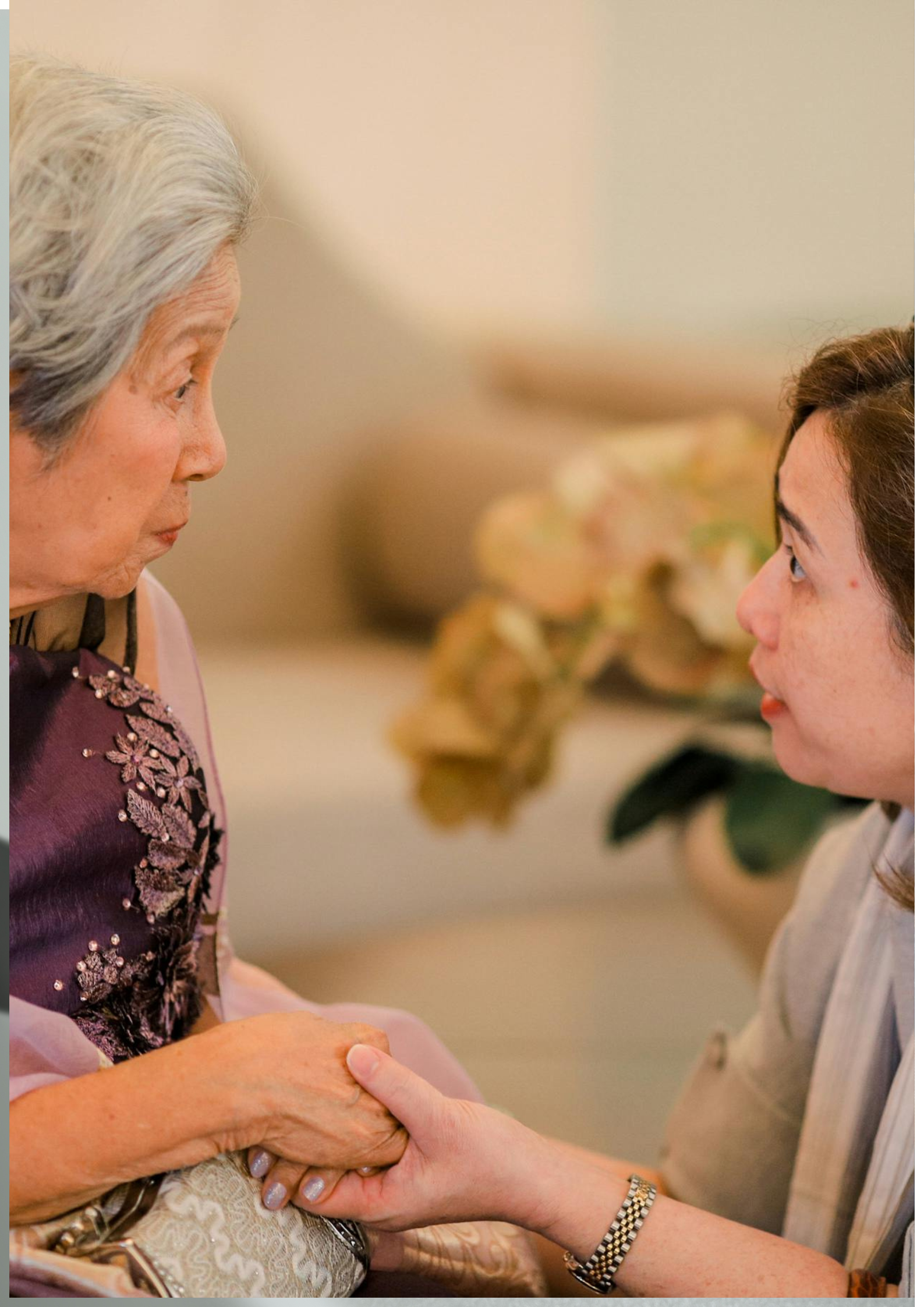




NEW RESEARCH REVEALS THE EMOTIONAL COST OF PAINFUL SEX FOR MIDLIFE WOMEN

Four in 10 women continue to have painful sex due to menopausal symptoms, often because they fear their partner will leave them, according to a new sexual health survey.

Understanding the Emotional Impact

The survey of 500+ UK women, conducted by the Menopause Research and Education Fund (MREF), found that while 50% of postmenopausal women and 38% of those in perimenopause said penetrative sex was painful, 41% continued to have sex despite the pain.

“Worthless”, “broken”, “guilty”, “sad”, “anxious” and “lonely”, are just some of the words women
used to describe the emotional toll of menopausal-related changes to their ability to enjoy sex.

Women’s Perspectives and Experiences

He feels slightly rejected which makes me think he will have an affair,” one woman wrote. Others admitted they worried for their relationship, felt “replaceable”, or said painful sex had contributed to their partners’ affairs or the end of their relationship. One woman stated simply, “we are divorcing.

Some women said their partners did not believe them when they tried to explain their pain. “It’s as if I’m a liar,” one said, while another noted, “it’s like my symptoms were more of an excuse.”

Many described feeling “low”, like a “failure” or “isolated, like I’m not good enough”, with “low self-confidence” and “body image problems” frequently mentioned.

We know many women continue to have sex despite pain due to a
fear of losing their partner – we call this ‘mate guarding’. Women are often fearful that they’re expendable if they don’t have sex. Many feel ashamed about the changes associated with ageing and often don’t disclose what’s happening to their partner.

It’s such a shame for any woman to feel like this”
said lead author and menopause GP and sexologist

 – Dr Angela Wright

Every healthcare professional should support women not to endure pain.

 – Dr Wright

Donation

The MREF survey also found that just 5% of respondents reported a “positive” experience when discussing sexual pain with their doctor. In contrast, 42% described the experience as “neutral” and 38% as “negative”

icon

Some women said they were told to “relax”, “fake it” or “drink some herbal tea” and others were offered little practical support

Browse

Dr Wright warns this is yet another example of the healthcare system failing women, echoing findings in the Renewed Women’s Health Strategy, which found that women are too often not listened to, with paternalism and misogyny still endemic

icon

Being expected to put up with painful sex can lead to distress, a loss of bodily autonomy, and can further impact libido.

Painful sex related to menopause is commonly caused by Genitourinary Syndrome of Menopause (GSM), linked to declining oestrogen levels. While there are effective treatments available, the survey found that white, well-educated women were more likely to receive support than those from more diverse or lower socio-economic backgrounds.

Painful sex related to menopause is commonly caused by Genitourinary Syndrome of Menopause (GSM), linked to declining oestrogen levels. While there are effective treatments available, the survey found that white, well-educated women were more likely to receive support than those from more diverse or lower socio-economic backgrounds.

Fiona Clark, MREF

“This broke my heart, We need greater education and understanding – not just for women, but for partners too”

 – Fiona Clark

Co-founder of the MREF, Fiona Clark, said the findings highlight an urgent need to address these inequities and improve awareness and understanding. She initiated the research after receiving a message from a woman whose husband had threatened to divorce her if she did not continue having sex, despite the pain.

Clark also shared her own experience of menopausal symptoms, describing how walking and even sitting had become painful, and sex was not an option. She said she felt “less of a woman” and took time to talk to her partner, likening the experience to “a grieving process”. While treatment significantly improved her physical symptoms, she said the emotional impact should not be underestimated.

Better training and support for healthcare professionals on menopause and sexual health is vital, and something we as a charity are committed to improving,she added